Comedy
How Many Ways Can You Slip on a Banana Peel?
You’ve got one week to raise a hundred thousand dollars to save your Uncle Bedfellow’s theater, and wouldn’t you know it, your idiot brother Biff has decided to crash at your place, and has started using your name to weasel his way into high society. And now he’s trying to interfere with your upcoming nuptials to the angelic Miss Petunia Craghammer! And, to top it all off, he’s brought his pet tiger with him. What a time to be a millionaire during the Great Depression…
What Makes a Comedy a Comedy?
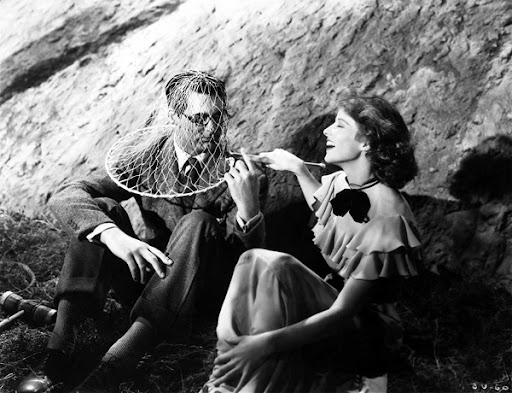
Comedy is perhaps the broadest of genres to grace classic Hollywood. From sophisticated high comedy like The Philadelphia Story (1940) to zany screwball comedies in which everything skews to absurd, like Bringing Up Baby (1938), to graceful physical comedies that pack an almost tragic sentimental punch, like City Lights (1930), comedy spanned various subgenres.
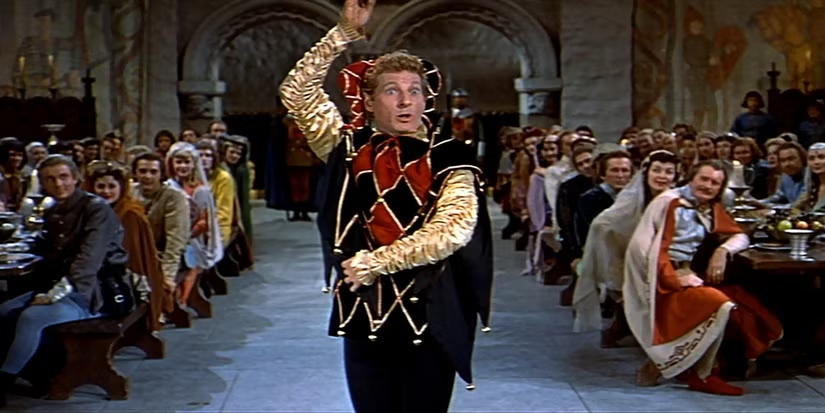
And just as laughs could be found, with them, a bevy of brilliant comedic actors and directors ready to do anything it took to wring those laughs out of audiences. Vaudeville-trained talents W.C. Fields, George Burns and Gracie Allen, directorial geniuses like Charles Chaplin and Buster Keaton, and storied actors like Katherine Hepburn, Spencer Tracy, and Cary Grant were but a few of the coterie of comedians to pack houses with their wild situations, impeccable timing, and perfect delivery.
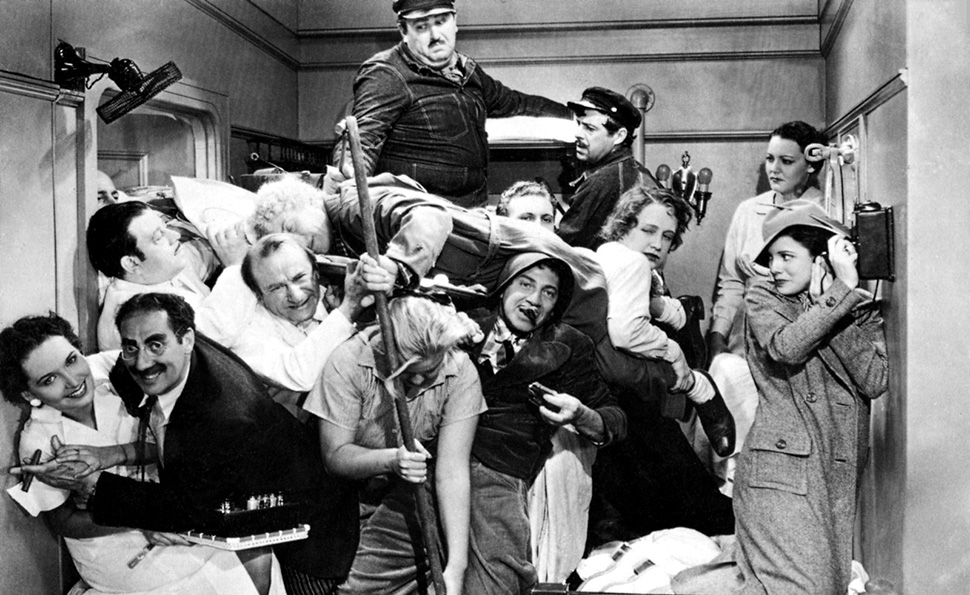
Among the comedy subgenres of the 1930s and 1940s were screwball comedies, drawing room farces, and the description-defying zaniness of groups like the Marx Brothers and W.C.Fields.
Style and Influences
As mentioned above, vaudeville was the forge that shaped many of the era’s best talents. But silent films provided an important leap in taking comedy off the stage and into the realm of intimate closeups and impossible-to-replicate special effects. Of note, Buster Keaton was a pioneer of special effects as we know them today. Charles Chaplin, meanwhile, used his films to oscillate between hilarious physical slapstick and heartfelt sentimentality, ultimately reaching the most accomplished of his films, The Great Dictator (1940) as a socially-conscious comedy that mercilessly attacked Adolph Hitler.
Legacy
From modern-day rom-coms to television sketch comedy, the influence of classic Hollywood comedies and the artists who created them cannot be overstated. If you see a movie or TV show today that makes you laugh, examine how and why it did… you’ll likely find that the techniques originated from these trailblazers. A laugh is forever, which makes the comedies of yore as fresh now as they were in the early days of the medium.