Epics
Big History
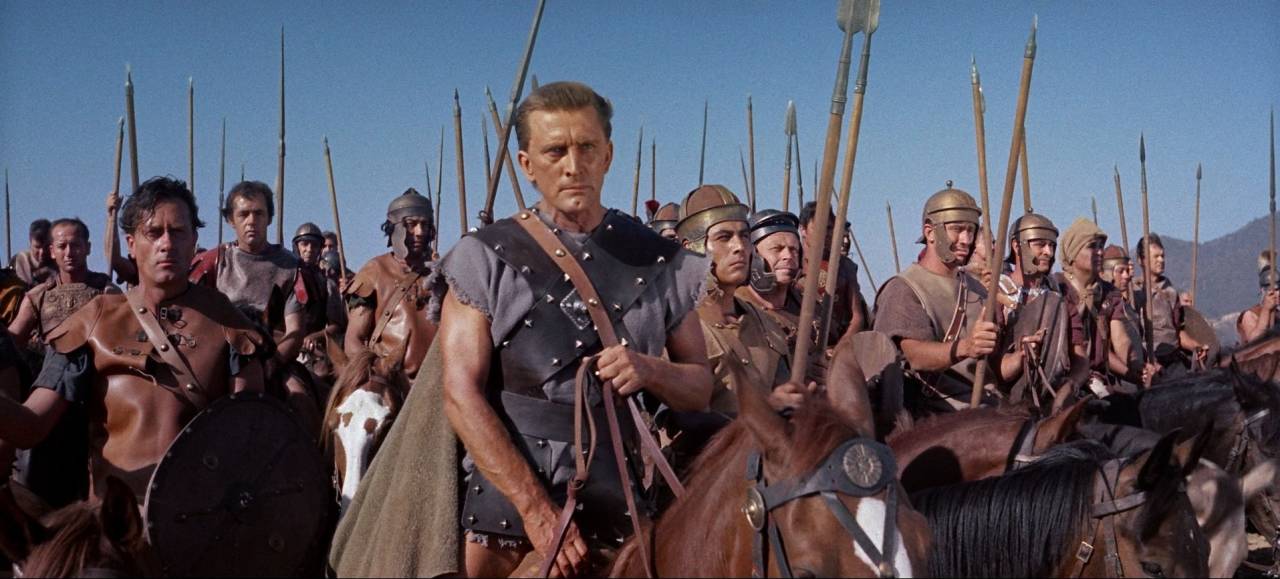
The battlefield is cold at dawn. Horses whinny. The armor of a thousand soldiers shimmers as the sun rises… revealing the enemy’s encampment, ten times as many men on the opposing side. To still the soldier’s nerves, the general rides up and down the line, barking out a stirring speech, The soldiers’ swords wave high in a rallying cry for glory, and a thousand men ride out toward the ten thousand below the hill, a long, bloody day about to begin…
The Name of the Game is Scale
Epic movies as we know them today didn’t really spring up until the 1950s. Hollywood found itself struggling in this decade with the rise of its first competitor for the world’s eyes and ears: television.
Needing to draw people back to theaters, studio heads experimented with such gimmicks as 3-D, Smell-o-Vision, and sense-o-round… all of which fell flat with audiences and ended up relegated to low-budget, tawdry horror and thriller movies. But the one new invention that landed was widescreen.
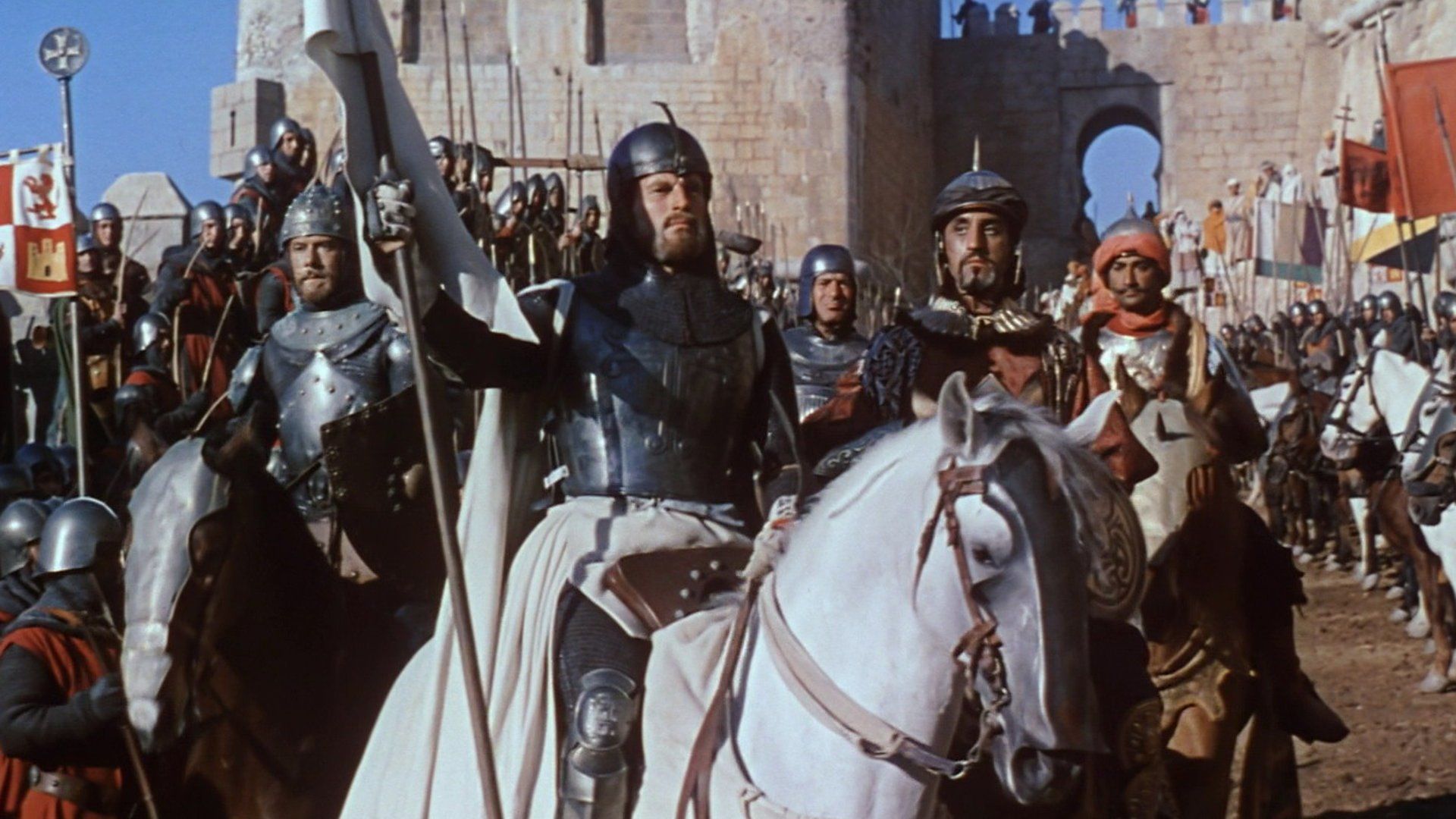
Wider aspect ratios provided broader canvases for directors and cinematographers to compose upon… and what better to fill an incredibly wide screen with than a cast of thousands upon thousands? This particular gimmick worked. Sword-and-sandal epics are still going strong today, and an argument can be made that they saved Hollywood during its most precarious era by luring huge audiences back to the box office.
Style and Influences
The idea of “cast of thousands” movies originated at the dawn of cinema, with films such as D.W. Griffith’s Intolerance and Cecil B DeMille’s Cleopatra in the silent era, and 1935’s A Tale of Two Cities, to name a few early classics. But with a wider format to work with, directors were able to tackle large-scale battle sequences in a similar way to the choreography of a Busby Berkely musical, using large numbers of extras in coordinated poses like massive shapes composed across the screen. Costume colors were kept bright and bold.
The stories for this vein of film rarely came from original screenplays. Historical events and the Bible were the main sources of inspiration. Tales from these bygone ages afforded directors and designers the ability to create opulent sets, detailed costumes, and overall rich visual designs, making the spectacle the main draw even as the plotlines themselves tended to be overstuffed and too slowly paced.
Dubious History
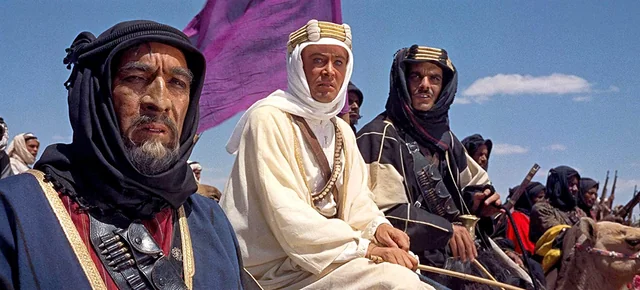
For all of the expense poured into the Hollywood epics of the 1950s and early 1960s, historical accuracy often fell by the wayside in favor of clean colors and melodrama. There are, of course, a few exceptions which tackled their respective historical periods with a degree of realism, but as we discussed above, the main selling point of this genre was spectacle. The goal of the films was to immerse the viewer in the world of the story, even if that world was more fiction that fact, and then awe the audience with a sense of size and scope they simply could not get from the small television screen in their living rooms.