Film Noir
Yesterday's Edge
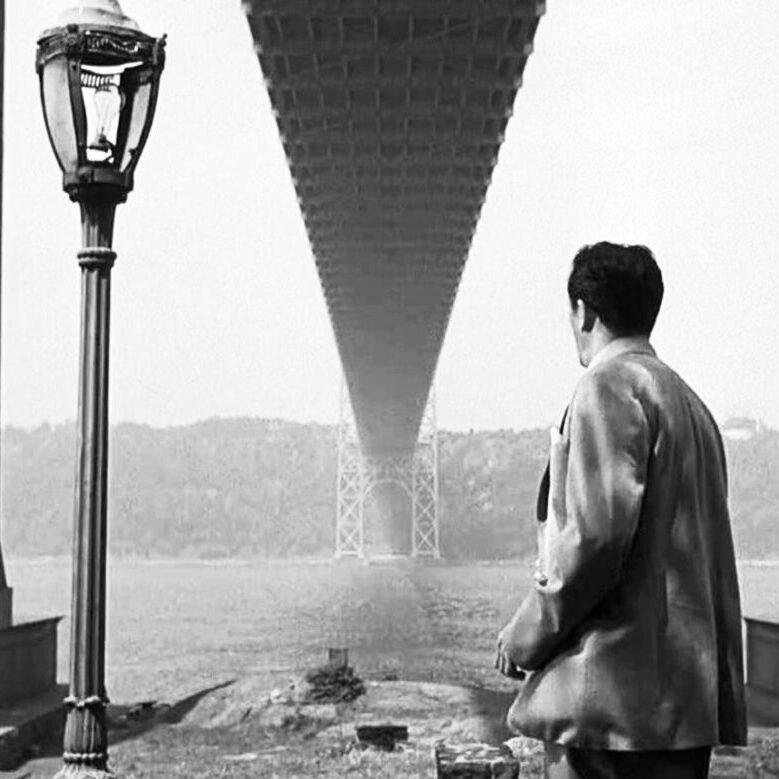
You're standing on a bridge. The night is dark and the fog encircles you. You tighten your trenchcoat and wonder, Is this a set up? Suddenly, headlights glare in the fog, silhouetting the form of the last person you'd suspect to be holding a .38 at your chest... the one woman you ever dared to love.
It sounds cliche today -- as well as just a bit mysogynistic. More on that in a bit. But, from 1940 to 1950 in Hollywood, this type of dive into darkness was the edgiest, rawest beast on the silver screen. Film Noir is a term that would only be applied decades later, by a group of French film critics and theorists including Jean-Luc Godard and Francois Truffaut, who would go on to forge their own cinematic movement. "Black Film" was something felt rather than categorized, especially as the films we now heap under this banner belonged to many genres, mostly thrillers, but also dark comedies, drama, war pictures, and even Westerns.
What Is Film Noir?
So what exactly is film noir? The term refers to a slate of films turned out by Hollywood, mainly during the post-WWII years of 1945 through 1950 which dealt with themes of urban alienation, the seduction of flawed male characters by evil female characters, and violence. Through the lens of history, this gravitation toward dark, tragic material most likely had its roots in what we now refer to as post traumatic stress that men returning from the horrors of war were experiencing, and also a feeling that the patriarchal world of industry (up until that time dominated almost exclusively by men) had been taken over by women while men were away fighting the war. To the war-bruised male returning from a violent, horrific experience of war, nothing felt more threatening that the idea that Rosie the Riveter had taken over his job, his role in society, and his livelihood while he was gone.
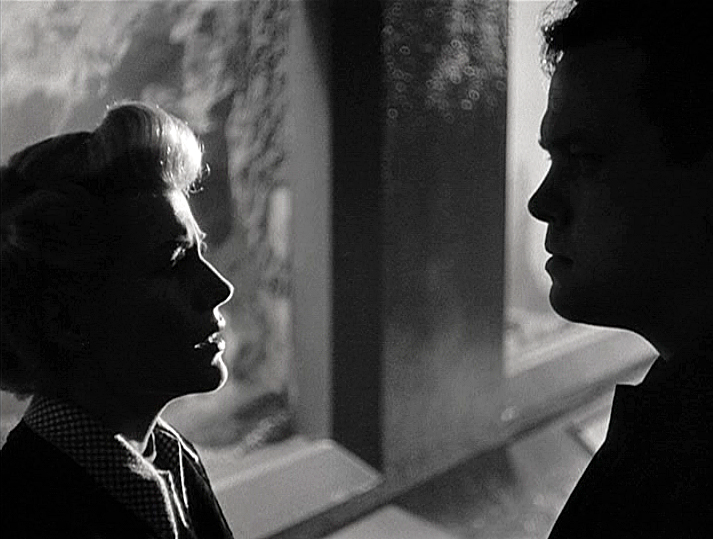
Thus was born the concept the French would call the femme fatale, the woman whose sole purpose seemed to be to use, abuse, and ultimately kill this wounded hero. Femmes fatale are another key staple of movies we now refer as film noir, and they cropped up as the ultimate antagonist in virtually all such films.
Style and Influences
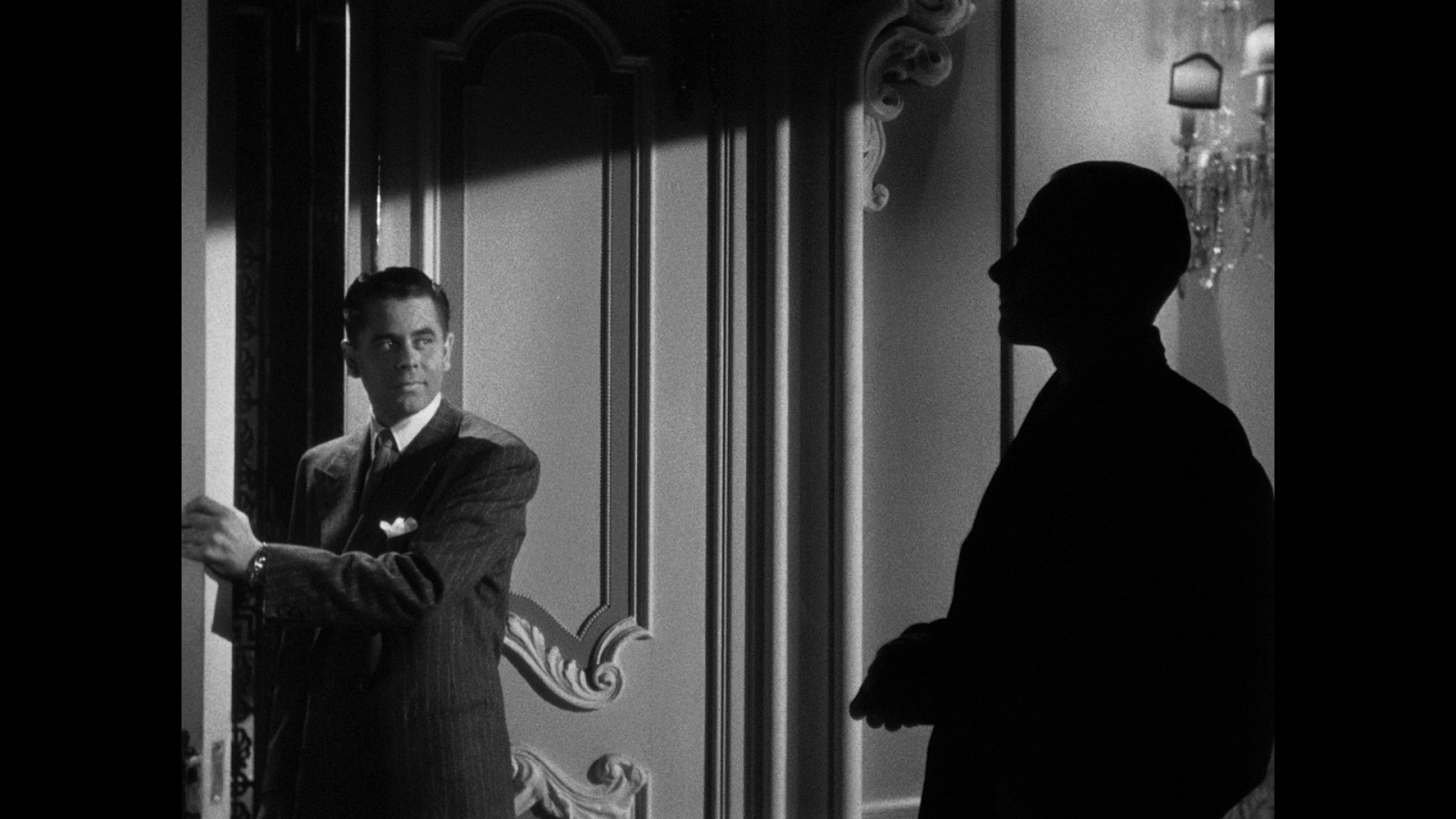
Film noir movies usually take place in confined, urban locations. The thematic darkness of the stories are expressed through eggerations of shadow and light, with crosshatched lighting from Venetian blinds, fire escapes, and neon city lights among the typical visual patterns. This approach of using light and shadow in exaggerated shapes stemmed largely from the German Expressionist movement in German cinema of the 1920s and early 1930s. With the advent of World War II, many German filmmakers such as Fritz Lang, Erich von Stroheim, and Otto Preminger fled Germany and settled into the Hollywood studio system, bringing their expressionist sensibilities to America. The use of spare sets and rich, dark lighting schemes also helped to compensate for the lower budgets these thrillers were allowed under their status as studio B-movies.
Feminism and Film Noir
Now, from the descriptions above, it is probably plain for the modern audience member to see that many, if not all, of these films is premised on a mysogynistc thesis -- women are evil, and exist either to serve white male protagonists or to destroy them. Patriarchal American society at the moment of the original films noir certainly allowed and indeed fostered these concepts, and there is good reason to view this particular subset of films with a critical eye towards their skewed depiction of women. However, as with much of art history, there is a great deal of technique, quality, and even true inspiration to be gathered from these films, despite the flaws of their creators and the societies that spawned them. We at Film Theories encourage appreciating the films for their highest qualities, of which there are many, but also believe there should be an open debate and skepticism about the merits of the films' implicit and explicit messages. We believe that art should further human progress and the pursuit of equality, and certainly some of these antiquated and wrong-headed depictions have the power to hamper that progress.