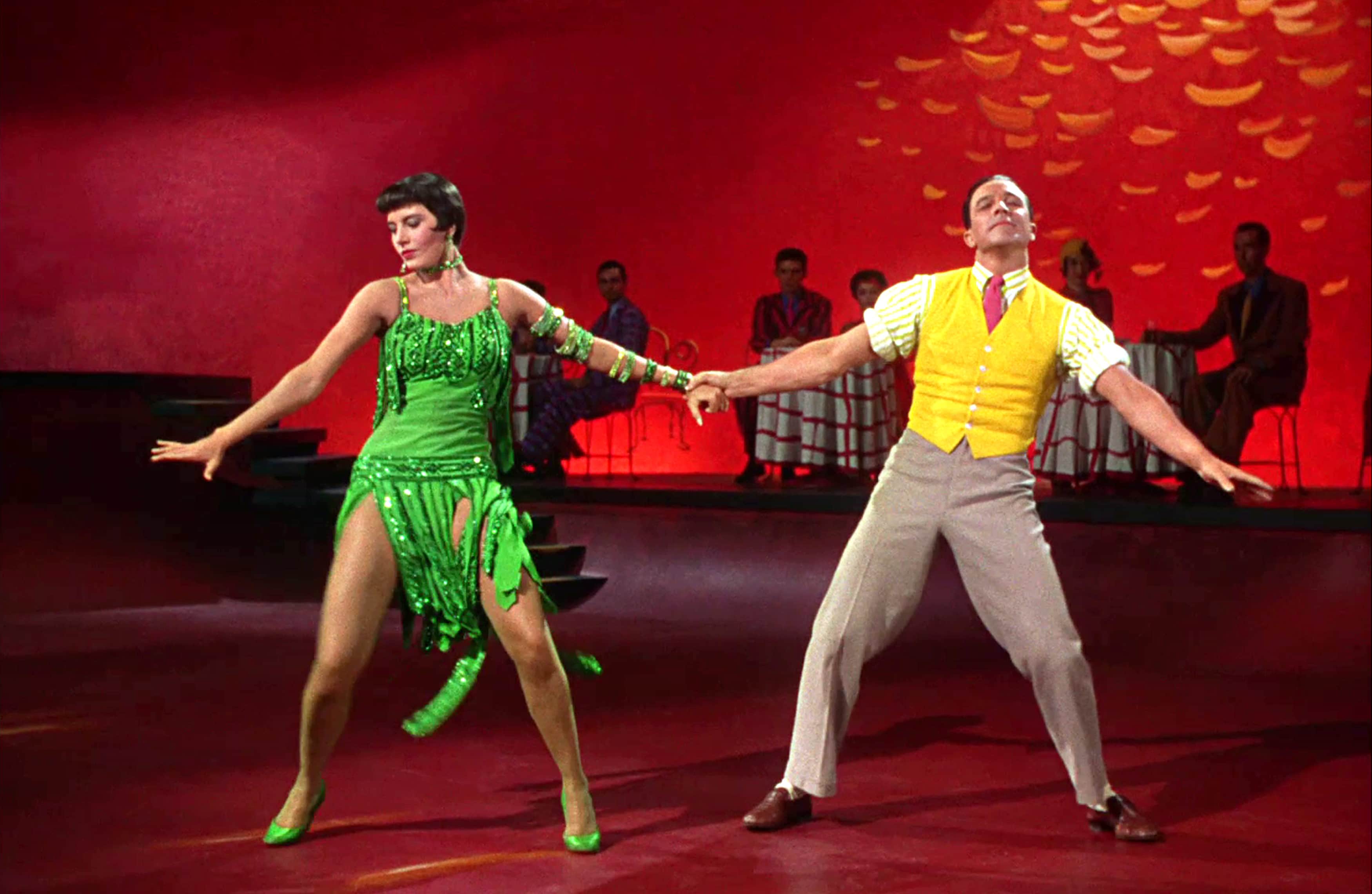
Gene Kelly and Cyd Charisse in <em>Singin' in the Rain</em>

Musicals

Gotta Dance

You’re a sailor on twenty-four-hour shore leave. A lifelong bachelor and committed to the Navy and the sea, you’ve sworn off romance… yet within an hour of setting foot on dry land, you happened to bump into someone who set your heart aflutter and, against all odds, the feeling is mutual. But they’re a day away from shipping off to an uncharted island on an archaeological expedition. The odds are, you two will never see each other again after the sun rises tomorrow… But tonight finds you both on the roof of a museum beneath the sparkling city lights, and there’s music in the air. The only way you can possibly deal with the onrush of emotions is with a grand, acrobatic tapdance!
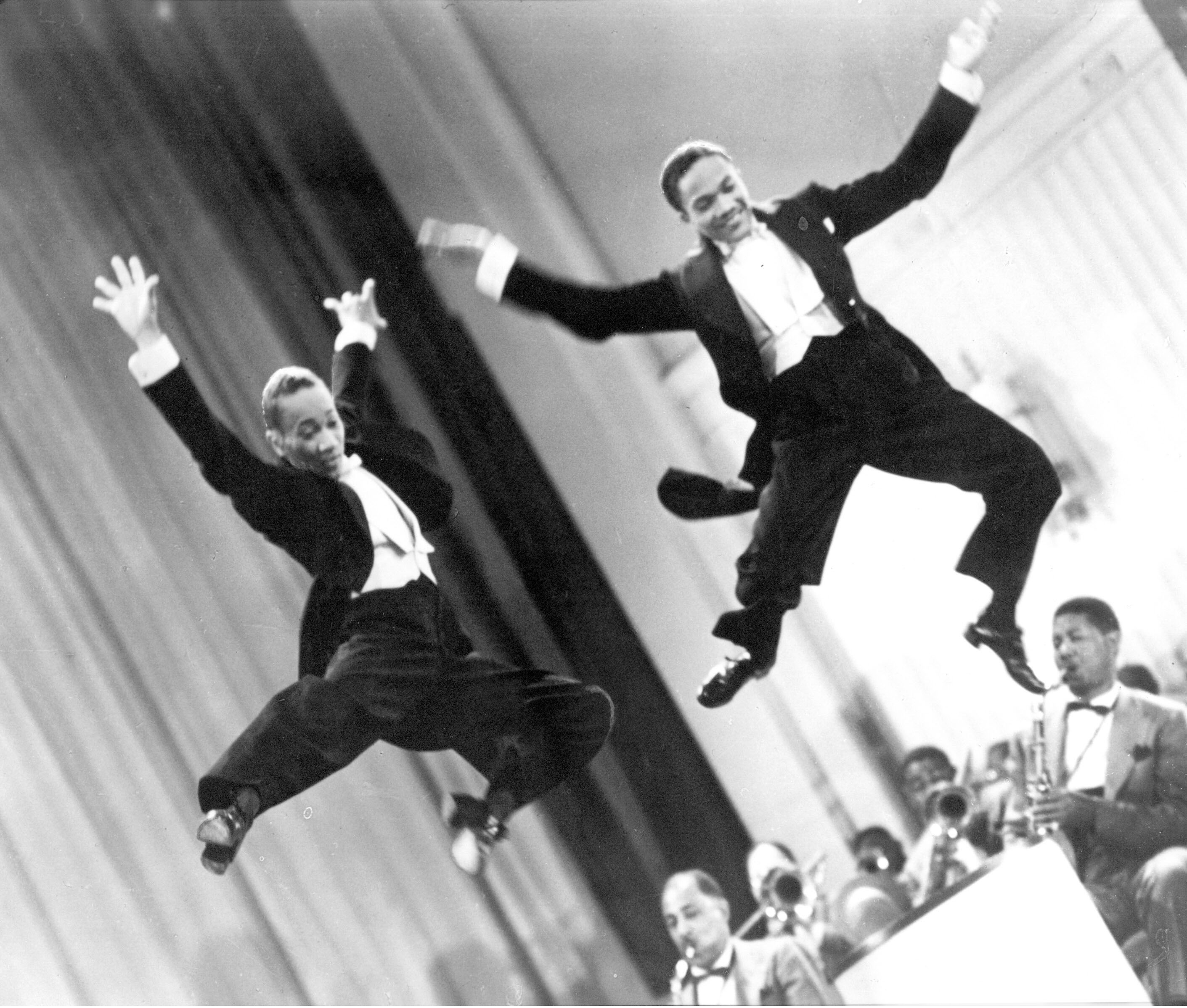
The Nicholas Brothers dance in <em>Stormy Weather"

The Reality of Unreality

Musicals are built upon levels of high emotion, so that when the music swells and the characters inevitably burst into song, the ensuing musical number feels like the natural next step in the progression of emotion. Popular from the advent of sound in motion pictures, the musical holds a special place in cinematic storytelling, in that to properly create the unique mood and atmosphere that makes a musical work, the world it presents must be at once recognizable and completely artificial, a stylized rendering of something familiar that immediately transports the viewer into a sort of dream state where sound and image, music and movement all coexist in a constant state of giddiness.

Musicals were always meant to be pure entertainment.

Style and Influence

The movie musical evolved from two stagebound influences – Broadway shows and vaudeville. Broadway plays provided the sense of story, farce, and artificiality that were required for the leap to movies, but the intimacy, detail, and circus-like experimentation of vaudeville helped shape the specific, effects-driven dances of performers like Fred Astaire and the acrobatic moves of the Nicholas Brothers.

In the early 1930s, as sound overtook silent films, Busby Berkeley created elaborate musical numbers on a scale that would rival the epics of the 1950s and 1960s, with hundreds of dancers choreographed into sharp shapes in motion. These highly visual musical numbers helped to break the musical genre free from its stage roots and into the realm of the purely cinematic.

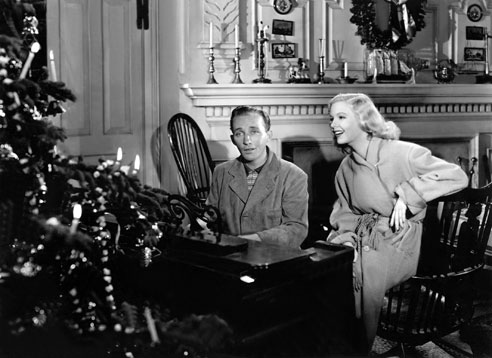
Bing Crosby and Marjorie Reynolds sing by a fire-lit piano in <em>White Christmas<em>

Resurgence

From The Jazz Singer(1927) through the 1960s, musicals went through cycles of popularity and disfavor, finally almost disappearing entirely by the 1970s. In the past fifteen years or so, however, there has been a resurgence in popularity with musicals, with Oscar winners such as Chicago, nominees such as West Side Story and Nine, and filmic adaptations of Broadway favorites like Phantom of the Opera and Wicked becoming more popular and receiving higher studio budgets each year.